

%20(1).png?width=1948&name=Well%20Diagram%20-%20Top%20Hole%20Section%20(without%20CTS)%20(1).png)
12 Critical Questions to Ask Before Choosing Managed Pressure Drilling Over Conventional Drilling
Snorre Lutnes is a Technical Sales Manager at Enhanced Drilling, bringing with him 20 years of experience in the drilling industry, with a strong focus on drilling fluids and Managed Pressure Drilling (MPD).
He began his career offshore as a mud engineer before transitioning into project management roles onshore. After spending a decade working internationally, Snorre has returned to Norway, shifting his focus from operational responsibilities to a more specialized role in technical sales.
Choosing between Managed Pressure Drilling (MPD) and conventional drilling methods is one of the most important technical decisions in well planning
For drilling engineers and well engineering teams, the challenge is rarely whether MPD works.
The question is: When does Managed Pressure Drilling (MPD) provide sufficient operational effect to justify the added complexity and cost?
This guide outlines the key considerations for evaluating that question.
This guide covers:
-
The key differences between MPD and conventional drilling
-
The operational advantages and limitations of both approaches
-
12 critical questions every drilling team should evaluate before selecting a drilling method
It provides a structured basis for evaluating whether MPD is suitable for a specific well or campaign.
Additional reading: 11 Things All Drilling and Completion Engineers Need to Know About MPD
Frequently Asked Questions About MPD
To help you get even more value from this guide, these FAQs highlight the questions we most often receive from drilling professionals. They provide quick clarifications on key points so you can apply the insights more effectively to your own operations.
Executive Summary
Managed Pressure Drilling (MPD) enables drilling teams to actively control downhole pressure and maintain a near constant bottom hole pressure.
Compared to conventional drilling methods, MPD enables:
- more active control of bottom hole pressure
- earlier detection of influxes and losses
- better pressure management in narrow pressure windows
However, MPD also introduces additional equipment, procedures and cost.
Before selecting MPD for a well or campaign, drilling teams should evaluate several technical, operational and economic factors.
This guide presents 12 key questions that help determine when MPD provides clear operational value compared to conventional drilling.

What is the Difference Between Managed Pressure Drilling and Conventional Drilling?
Managed Pressure Drilling and conventional drilling methods manage well pressure in fundamentally different ways. Understanding these differences is essential when deciding which approach is most suitable for a specific well.
Managed Pressure Drilling is an advanced drilling technique that allows operators to actively control the pressure inside the wellbore.
MPD systems continuously manage the pressure profile in the well to maintain a near Constant Bottom Hole Pressure (CBHP). This helps reduce the risk of formation influx (kicks) and fluid losses.
MPD systems typically use mass-flow meters and pressure sensors to detect very small changes in well flow. This enables Early Kick and Loss Detection (EKLD).
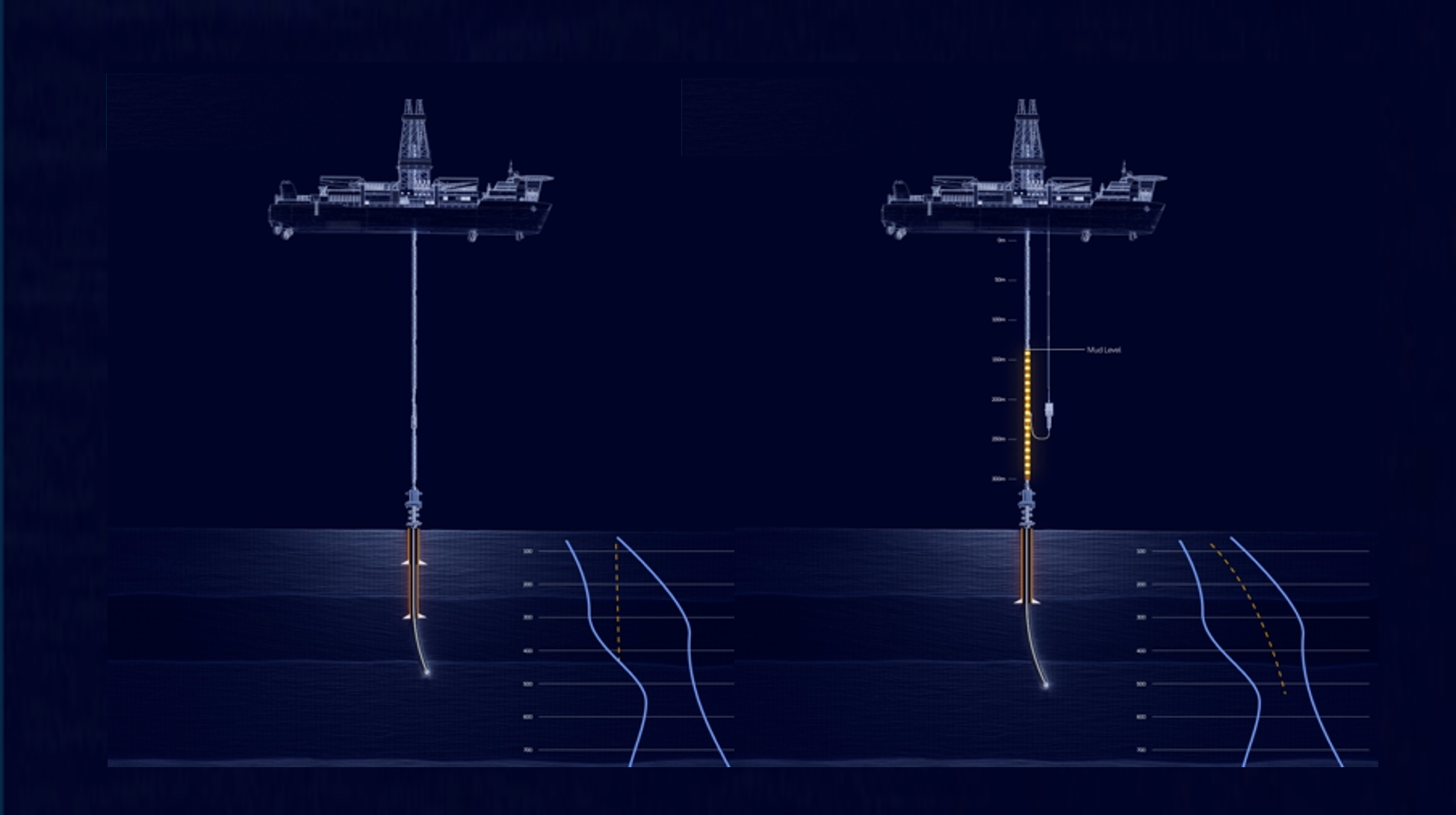
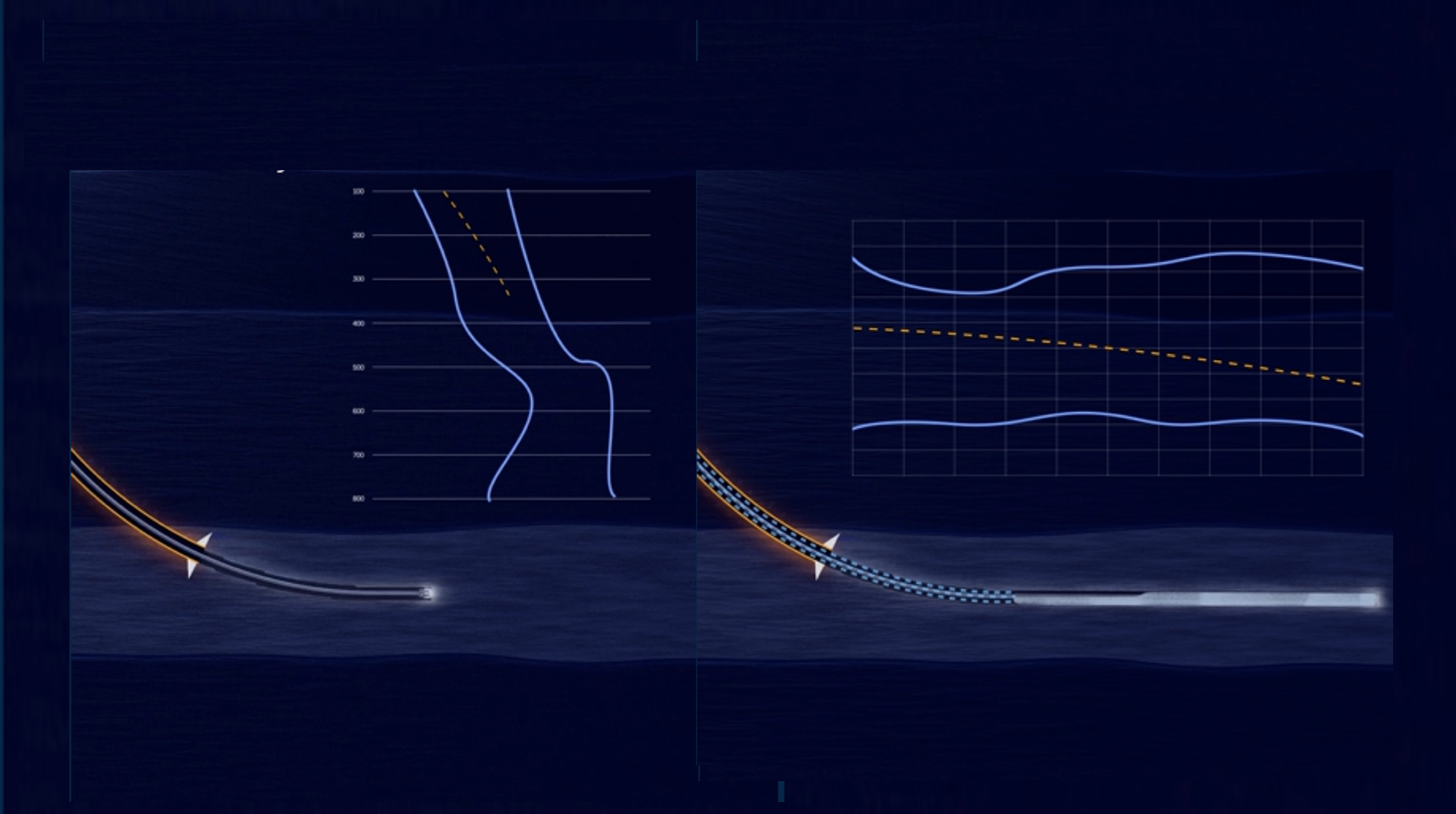
MPD allows drilling teams to dynamically adjust Bottom Hole Pressure during operations. This is particularly relevant in wells with narrow pressure windows or loss zones.
Conventional drilling methods primarily manage wellbore pressure through hydrostatic pressure from drilling fluid density.
The well is kept overbalanced by adjusting mud weight and drilling parameters.
Conventional monitoring typically relies on pit sensors and flowline monitoring. Changes in well flow may therefore be detected later than with MPD systems.
Adjustments to Bottom Hole Pressure require changes in mud density or drilling parameters.
Additional reading: What are the applications of MPD?
Additional reading: 11 Things All Drilling and Completion Engineers Need to Know About MPD
Advantages and Limitations of MPD Compared to Conventional Drilling
Before selecting a drilling approach, it is important to evaluate both the operational benefits and the potential limitations of each method.
Monitoring and early detection
MPD systems continuously monitor well flow using mass flow meters and pressure measurements, enabling earlier detection of influxes and losses.
Conventional monitoring typically relies on pit volume and flowline measurements, where changes in well flow may be detected later.
Read more: Kick and Loss Detection – From Early to Instant
Read more: How can I improve kick detection?
Sensitivity to well conditions
Conventional drilling can struggle in formations with narrow pressure margins.
MPD systems can maintain more stable downhole pressure conditions and adjust pressure dynamically based on real-time well data.
Operational uptime
Better pressure control can reduce the frequency and duration of non-desired events and support earlier response to gains or losses.
Operational complexity
MPD introduces additional equipment, procedures and training requirements.
For drilling teams unfamiliar with MPD operations, this may initially increase operational complexity.
Rig time
Depending on the MPD method used, rig time can increase or decrease.
Some MPD systems require additional operations such as equipment deployment or fingerprinting.
However, CML-based MPD systems can reduce operational time by increasing tripping speed and reducing fluid displacements.
Read more: How much rig time can you save when detecting an influx earlier?
Cost considerations
MPD introduces additional operational costs, including:
- equipment
- rig integration
- personnel training
In wells with significant pressure-related challenges, the additional cost may be justified by the operational effect of the system used.
Pressure management and operational safety
MPD reduces pressure fluctuations and enables earlier detection of gains or losses.
Earlier detection of influxes or losses enables faster response and may reduce the likelihood of situations escalating into well control events.
Read more: MPD methods: Pros and Cons of CML vs SBP
12 Critical Questions to Evaluate Before Selecting MPD
Managed Pressure Drilling introduces capabilities that are not available in conventional drilling, but it is not always required for every well.
The following questions can help drilling teams determine whether MPD provides sufficient operational value for their specific project.
1. Does the added cost of MPD justify the expected operational effect?
MPD adds value to drilling and completion operations but is not always a necessity. Other factors to consider are if the integration cost can be spread over several wells, or if there are other benefits with MPD that can be exploited. If MPD can aid in increasing the production rate the benefit will exceed the cost.
Read more: Maximizing savings with CML
2. If I need to use MPD, can I use it in other areas?
MPD can be used to enhance operations for sections where it is not required. If MPD is installed on the rig and intended for one section, it is worth looking into if it can be beneficial for other operations too, and if the conventional well design can be improved.
3. Will MPD add to rig time, or can I use it to speed up operations?
Rigging up and down MPD equipment adds rig time. Depending on which MPD method is being used it can either add more rig time through flat-time events such as additional displacements or reduce rig time through faster tripping.
Read more: SBP vs CML connection time – which is more effective?
4. Is MPD equipment compatible with my rig?
This is rig specific, however MPD can be incorporated on most rigs.
5. What type of rig integration is required?
This is highly rig specific and dependent on the MPD system being integrated. Surface modifications connecting the MPD system to the rig lines are common. Some rigs are “MPD-ready” whereas others can require notable modifications.
6. Which MPD method will best address my challenges?
This depends on the expected challenges and the operational effect of the different MPD methods in each project. It is highly recommended to consider the cost and benefits the different MPD systems add for each well/campaign to be embarked upon.
Read more: EC-Drill vs EC-Drill Dual MPD – unpacking the key differences
7. What additional training is required for using MPD?
Simulator and classroom training is recommended for practicing the new procedures that come with MPD. Practicing communication and interfaces is valuable to ensure everyone is aligned. Specific training on Influx Management and understanding the effect MPD has downhole is also important.
Read more: How to reduce workload for drilling personnel
8. What benefits are there to including MPD in your well planning?
Considering MPD during well design can affect section design, fluid strategy and operational approach. Sections can be extended, or combined, and the drilling and completion can be conducted with different types of fluids.
Read more: What does well planning look like with CML?
9. Are there any local regulatory concerns I need to be aware of?
Yes. Some areas do not allow removing the primary barrier and drill with a fluid density which is statically underbalanced. Other places will not allow active use of the BOP in regular operations requiring the wells to be statically overbalanced before pulling out of hole.
Read more: What to consider when implementing MPD in deepwater
10. Do I need to consider logistical challenges and rig capacity when considering MPD?
Some MPD systems require different fluid densities for drilling, tripping and cementing. If three mud systems are required, it will increase the logistics and could strain the pit capacities of the rig. The type and density of the completion fluid can also be affected depending on the choice of MPD method. On the other hand, MPD can enable using standard cement slurries instead of having to operate with different density slurries and/or foam cement.
11. Do I need to change my well control procedures?
When using an MPD system with Influx Management capabilities new procedures need to be added included clarification on when to use MPD and when to use conventional well control.
Read more: How to perform influx management with EC-Drill Dual MPD
12. Will MPD increase the complexity of my operations?
MPD can change how the well is drilled and completed, but it also introduces additional equipment and operational considerations. When using MPD there are new factors and equipment, to take into consideration during daily operations.
Related case stories
Example field results using Enhanced Drilling technology
Summary
Managed Pressure Drilling provides pressure-management and monitoring capabilities that are not available in conventional drilling methods, particularly in wells with challenging pressure conditions.
However, selecting MPD requires careful evaluation of operational effect, cost implications and rig integration requirements.
By considering the 12 questions outlined in this guide, drilling teams can make more informed decisions about when MPD provides the greatest operational value.
Discuss Your Well Challenges with Our Engineers
Choosing between Managed Pressure Drilling and conventional drilling is rarely a straightforward decision. Every well has its own operational challenges, pressure windows and economic constraints.
If you are evaluating whether MPD is suitable for your well, our engineering team can review the technical and operational considerations for your specific operation.
Fill out the form and one of our engineers will get back to you.